EN
EN

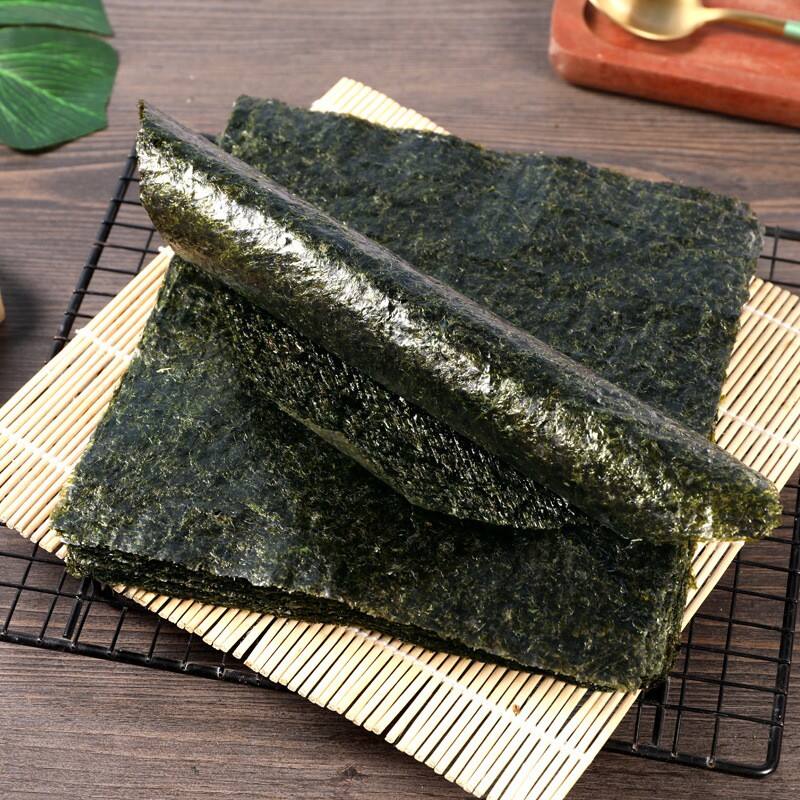
On the journey to crafting perfect sushi, every sheet of nori embodies the flavor of the sea and the dedication of the maker.
Today, we will explore together those premium nori varieties that elevate sushi from "good" to "exquisite".
How Important Is Nori Seaweed to Sushi?
Nori is not just the outer wrapping of sushi rolls, but also the carrier of flavor. A high-quality sheet of nori should:
-
Boast a natural dark green color
-
Emit a fresh, briny aroma
-
Offer a crispy yet non-crumbling, chewy yet not tough texture
- Wrap rice perfectly without getting soggy easily
Top Nori Types Endorsed by Sushi Masters
-
Features: Harvested for the first time, it has the finest texture and the deepest color
- Best Uses: Premium nigiri sushi, thin maki sushi
-
Features: Lightly roasted to enhance aroma and crispness
-
Best Uses: Hand rolls (temaki), thin rolls (hosomaki)
-
Usage Tip: Place the roasted side facing outwards and the rough side in contact with the rice
-
Features: Pre-seasoned with a subtle sweet and savory flavor
-
Best Uses: Ready-to-eat sushi rolls, rice balls (onigiri)
- Note: Since it is already seasoned, reduce the amount of soy sauce when pairing
How to Select Best Seaweed for Sushi
-
Check the Grade: Look for the "Premium Grade" label
-
Examine the Color: Opt for dark green or deep emerald green; avoid reddish or yellowish nori
-
Test the Texture: It should snap crisply when folded, rather than bending without breaking
-
Smell the Aroma: It should have a fresh, oceanic scent, free of fishy or off-odors
- Inspect the Packaging: Choose products packed with desiccants and in light-proof containers
Pro Tips for Using Nori from Sushi Chefs
-
Humidity Control: Work in an environment with moderate humidity (around 60% is optimal)
-
Roasting Technique: Quickly toast it over low heat to release aroma without burning
-
Cutting Direction: Slice along the grain of the nori to prevent crumbling
- Timing: Use the nori as soon as possible after opening, or store it sealed in a dry place
Best Nori Pairings for Different Types of Sushi
-
Hosomaki (Thin Rolls): Use 1/2 of a full-size nori sheet (approx. 19×21cm)
-
Futomaki (Thick Rolls): Use a full-size nori sheet
-
Temaki (Hand Rolls): Use 1/2 sheet and wrap it into a cone shape
- Gunkanmaki (Battleship Rolls): Use strips of nori about 4cm wide
How to Store Nori to Maintain Freshness
-
Always seal it in its original aluminum foil bag
-
Place it in an airtight container with an added desiccant
-
Store it away from light, heat, and moisture
-
Use it within one month after opening
- Special Recommendation: Sustainably Farmed Nori
Nowadays, more and more brands offer sustainably farmed nori. These products not only boast outstanding quality but also support marine ecological balance. Look for nori with MSC certification or similar sustainability credentials to make your sushi both delicious and eco-friendly.
Let every bite of sushi be a tribute to the sea.
Choosing the right and best seaweed for sushi is the first step to creating restaurant-quality sushi. Whether it’s a family gathering or a special occasion, a top-grade sheet of nori can transform simple ingredients into an unforgettable culinary experience.
Explore our curated selection of sushi nori and discover the secrets cherished by top sushi restaurants.