EN
EN

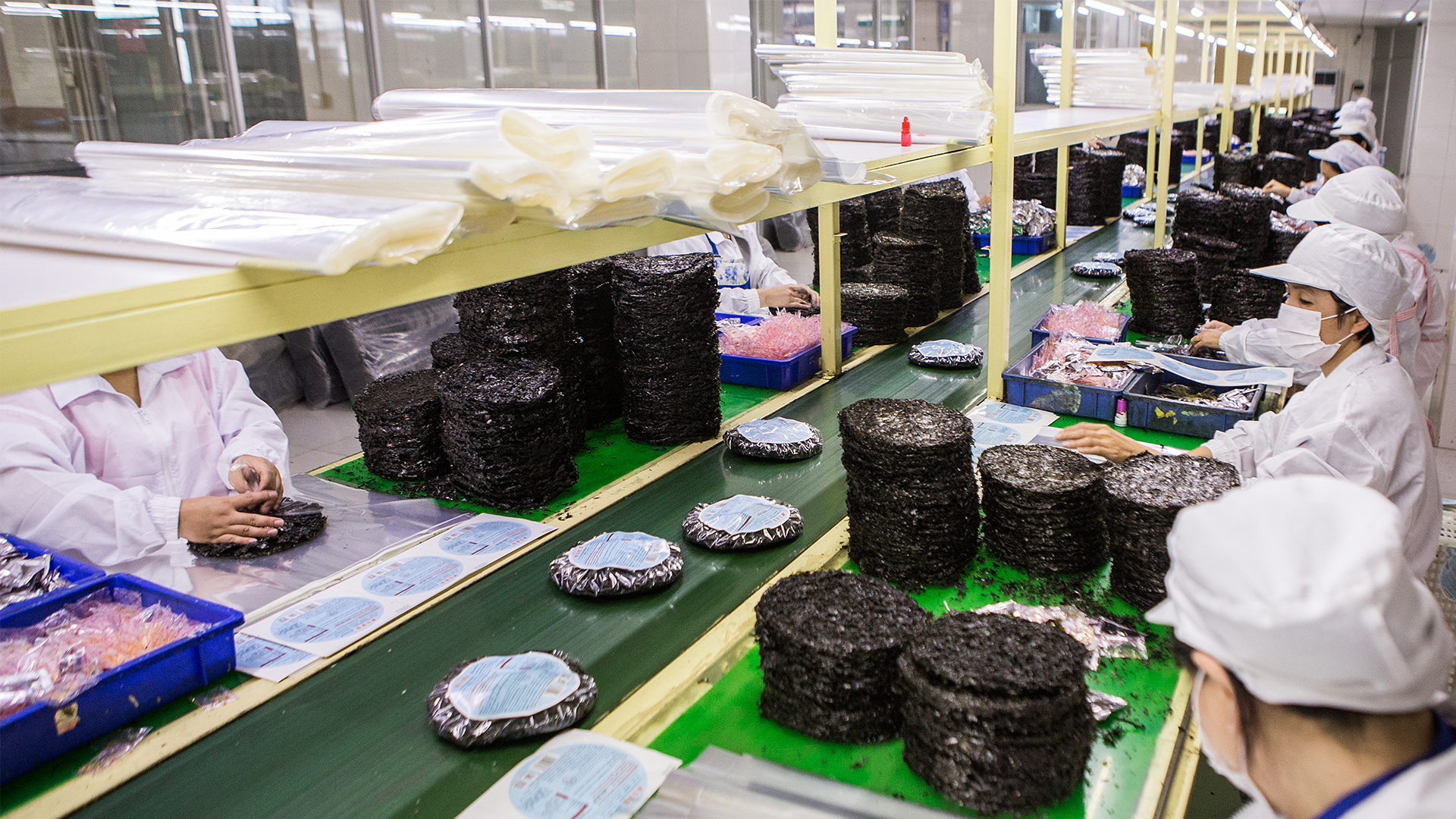
The demand for high-quality seaweed—specifically dried kelp (Kombu) and Porphyra haitanensis (坛紫菜)—is surging across Southeast Asia. From the bustling kitchens of Singapore’s premium restaurants to the health-conscious households in Malaysia and Indonesia, seaweed has evolved from a traditional staple to a modern "superfood."
However, for B2B wholesalers and food service providers, finding a reliable supplier who can guarantee consistent quality, food safety, and competitive pricing is often a challenge. In this guide, we’ll explore why Shantou remains the gold standard for seaweed production and how you can identify the best products for your market.
1. The Shantou Advantage: Why Origin Matters
Located along the southeast coast of China, Shantou is blessed with a unique marine ecosystem. The clean, mineral-rich seawater and ideal tidal patterns make it the perfect cradle for Porphyra haitanensis—a species of seaweed prized for its deep flavor and nutritional density.
For wholesalers in Southeast Asia, sourcing from Shantou means tapping into a supply chain that combines traditional expertise with modern processing technology. Unlike generic seaweed, Shantou-origin products are known for their:
- Rich Umami Profile: Higher natural amino acid content.
- Optimal Texture: Better mouthfeel after rehydration.
- Supply Stability: A robust harvest and processing infrastructure.
2. How to Identify Premium Quality (A Wholesaler’s Checklist)
As a professional buyer, your reputation depends on the quality you deliver. Here is how to distinguish premium Shantou seaweed from inferior alternatives:
A. The Visual Test
- Dried Kelp: Look for thick, dark green or brownish blades. A light "white powder" on the surface is not mold; it is Mannitol, a natural sugar that indicates high quality and sweetness.
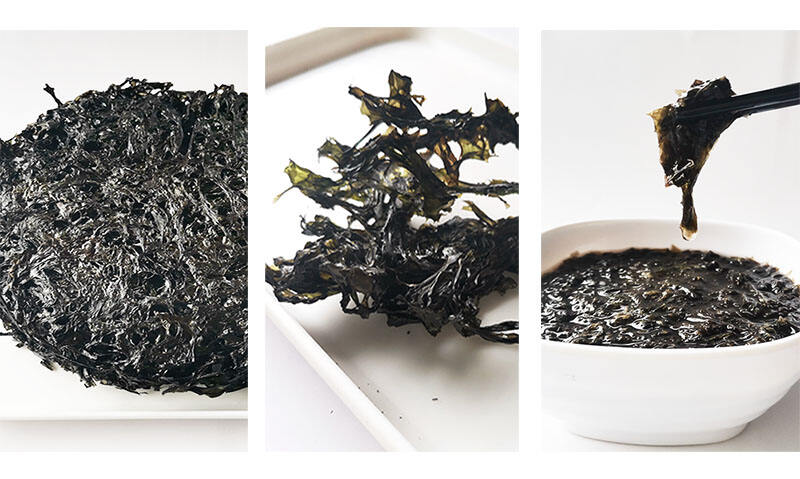
- Porphyra (Purple Seaweed): It should have a glossy, deep purple-black sheen. If it looks dull or reddish, it may be old or improperly processed.
B. The Rehydration Rate (Expansion Ratio)
In the B2B world, margins are key. High-quality Shantou kelp offers an exceptional expansion ratio (often 1:5 or higher). This means more servings per kilogram of dried product, offering better value for your restaurant clients.
C. Purity and Cleanliness
Inferior seaweed is often plagued by sand and impurities. Professional factories in Shantou use multi-stage cleaning processes (mechanical + manual) to ensure the product is sand-free and ready for culinary use.
3. Critical Factors for the SE Asian Market
To succeed in markets like Malaysia, Indonesia, and Thailand, wholesalers must consider two non-negotiable factors:
Halal Compliance
For the Indonesian and Malaysian markets, Halal certification is the "golden key." It is essential to partner with a supplier who understands these requirements and can provide the necessary documentation to clear customs and satisfy consumer trust.
Climate-Proof Packaging
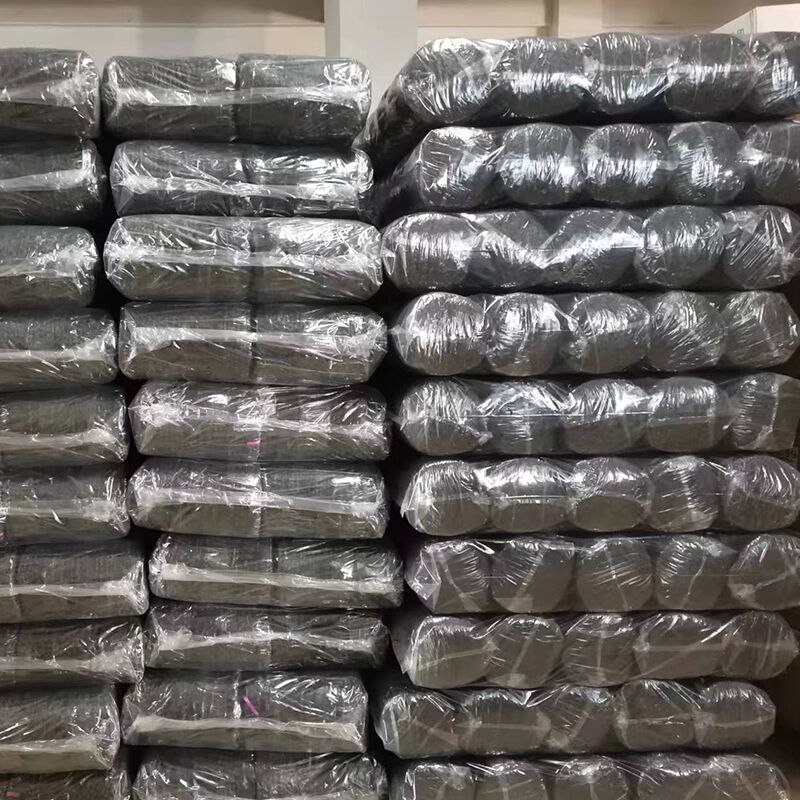
Southeast Asia’s high humidity is the enemy of dried seaweed. Premium suppliers use heavy-duty, moisture-proof packaging to ensure the product stays crisp and shelf-stable during long-distance shipping and tropical warehousing.
4. Logistics: From Shantou to Your Warehouse
Shantou’s proximity to major international ports allows for efficient shipping to Port Klang, Jakarta, Bangkok, and Singapore. Whether you are looking for FCL (Full Container Load) for distribution or LCL for niche markets, the logistics network is streamlined and cost-effective.
Conclusion: Partnering for Success
Sourcing seaweed is about more than just a transaction; it’s about building a reliable supply chain. By choosing a partner rooted in the heart of the Shantou seaweed industry, you ensure that your customers receive the freshest, most nutritious products available.
Ready to elevate your seaweed supply? At Jiasheng Seaweed, we specialize in premium-grade Shantou seaweed tailored for the SE Asian market.
? Click here to request our latest Wholesale Catalog or a Free Sample Kit!