EN
EN

The Ultimate Guide to Seaweed: Why This Oceanic Superfood is Taking Over the Global Market
In recent years, seaweed has transitioned from a traditional Asian staple to a global "superfood" phenomenon. Whether you know it as Nori, Dried Laver, or Purple Silt, this marine vegetable is prized not only for its unique umami flavor but also for its extraordinary health profile and versatility in the kitchen.
For wholesale buyers and health-conscious consumers alike, understanding the journey of seaweed—from its nutritional potency to the rigorous export quality standards—is essential.
1. A Nutritional Powerhouse: Why Seaweed?
The nutritional value of seaweed is unparalleled. Often referred to as "the treasure of the sea," seaweed is one of the few plant-based sources of Vitamin B12, making it a favorite for vegan diets.
- Rich in Iodine & Tyrosine: Essential for supporting thyroid function.
- Mineral-Dense: Packed with calcium, magnesium, and iron.
- Antioxidant Boost: Contains fucoxanthin and vitamins A, C, and E to help combat oxidative stress.
- Gut Health: High in fiber and polysaccharides that act as prebiotics.
2. Culinary Versatility: Beyond Just Sushi
While most people recognize roasted seaweed sheets in sushi rolls, the culinary applications of dried laver are vast and varied.
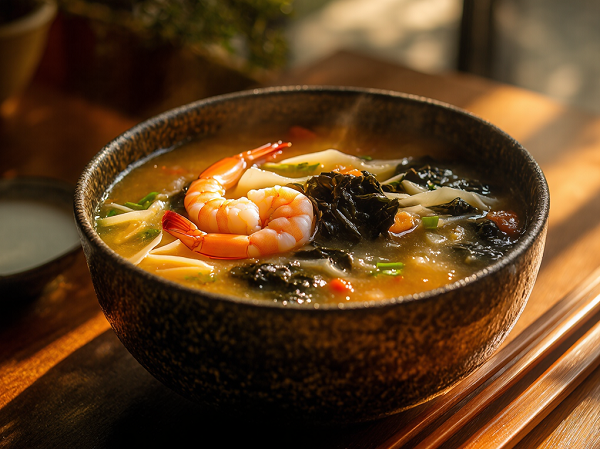
- Seaweed Soup (Miyauk-guk): A comforting, mineral-rich broth that highlights the natural umami of the plant.
- Healthy Snacks: Crispy seasoned seaweed is now a leading low-calorie alternative to potato chips.
- Seasoning & Toppings: Crumbled seaweed flakes (Furikake style) add a savory depth to salads, poke bowls, and pasta.
- Smoothies: A pinch of seaweed powder can supercharge your morning green juice without overpowering the flavor.
3. Defining Excellence: Seaweed Quality and Export Standards
For B2B importers and distributors, the difference between "average" and "premium" lies in the seaweed processing standards. At the heart of China’s seaweed industry (notably in regions like Shantou), quality is governed by strict international protocols.
When sourcing Grade A Seaweed, look for these key indicators:
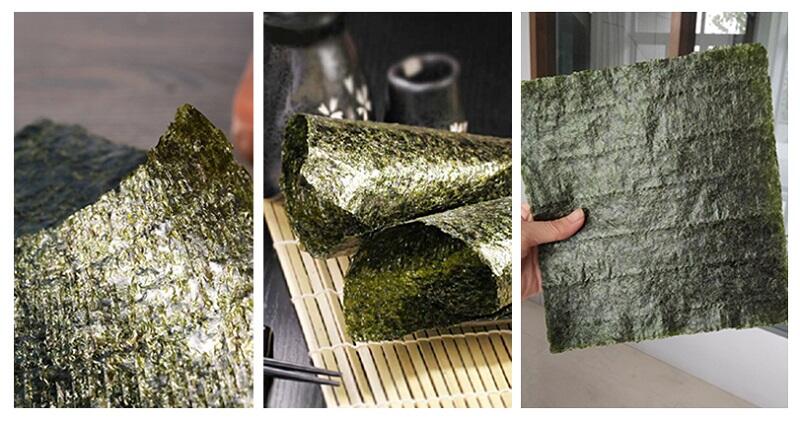
- Luster and Color: Premium laver should have a deep dark-green or purplish-black hue with a natural gloss.
- Texture: It should be crisp to the touch but melt-in-the-mouth when consumed.
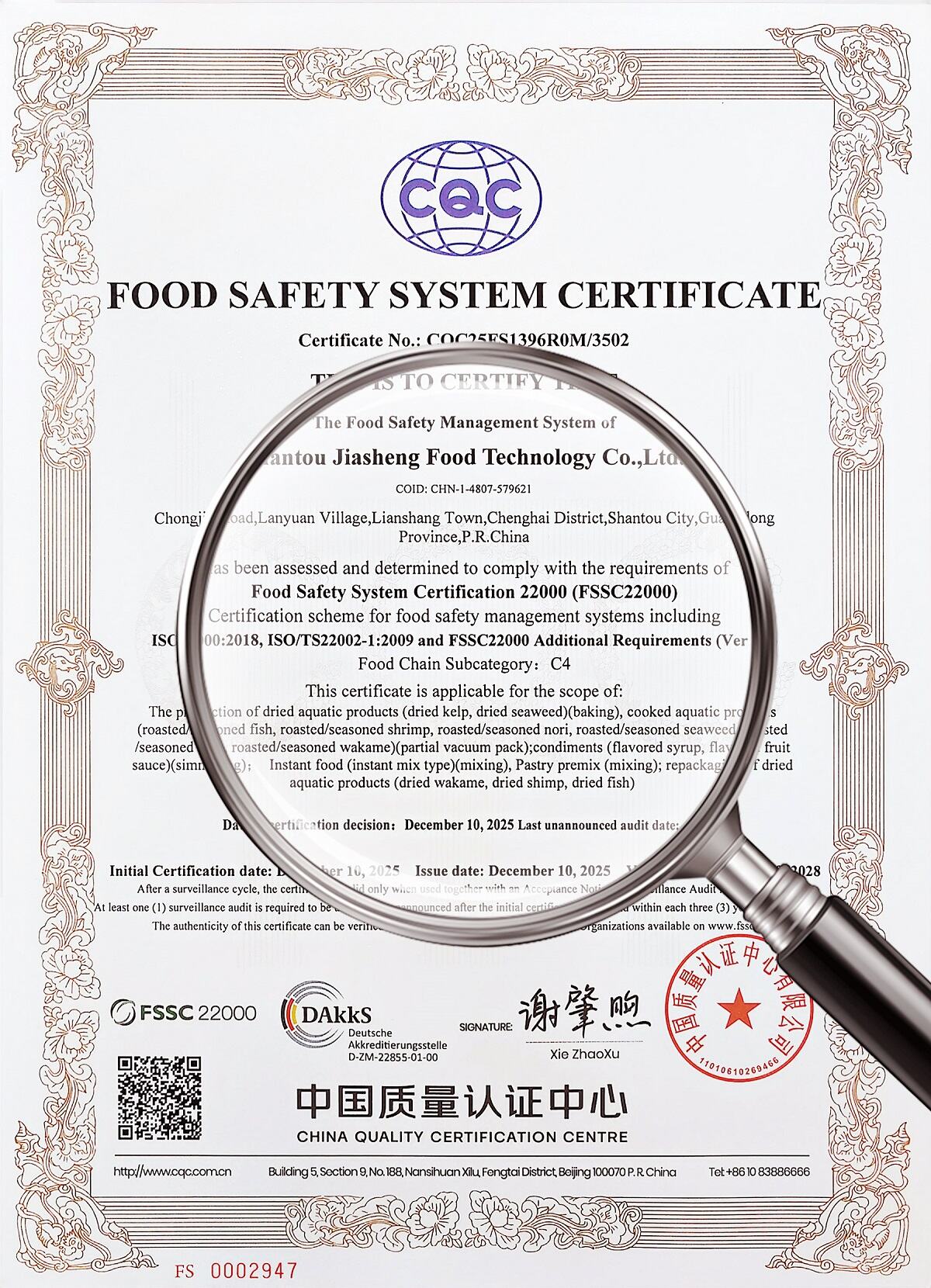
- Certifications: Ensure your supplier adheres to HACCP, ISO 22000, and FDA standards. These certifications guarantee the absence of heavy metals and microbial contaminants.
- Sustainability: Responsible harvesting practices ensure the marine ecosystem remains healthy for future generations.
4. Partner with the Experts
Sourcing the right seaweed requires more than just a transaction; it requires a partner who understands the nuances of seaweed export logistics and quality control. Whether you are looking for wholesale roasted seaweed for retail or raw dried laver for industrial food production, our Shantou-based facility offers gold-standard products tailored for the international market.