EN
EN

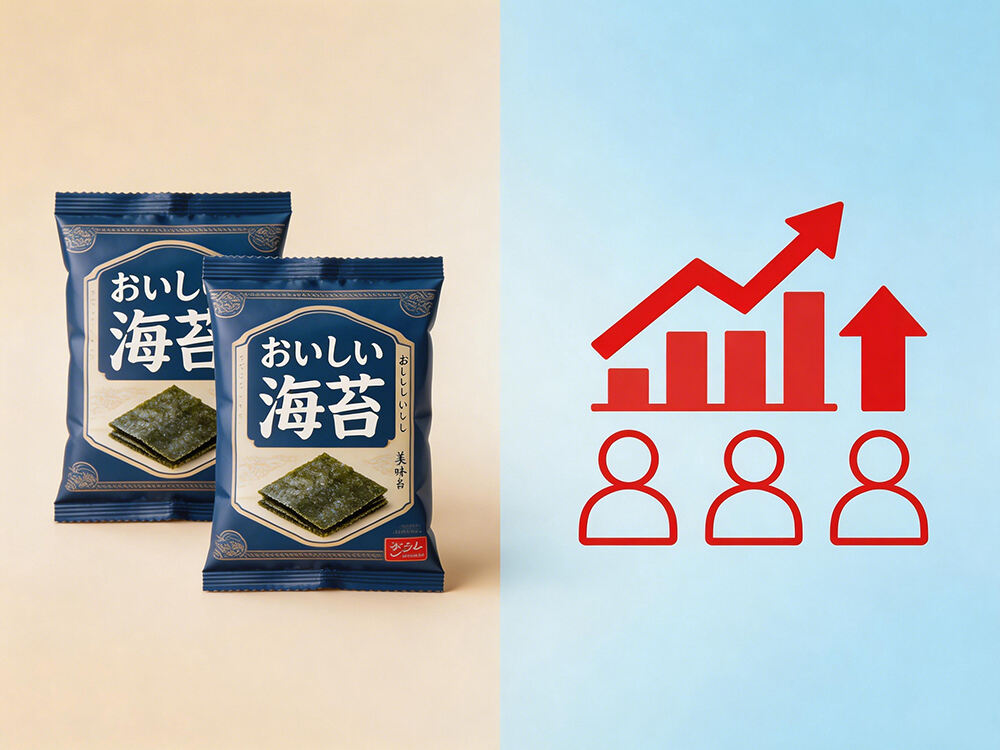
In recent years, seasoned seaweed snacks have become a global favorite among health-conscious consumers and snack lovers alike, with healthy seaweed snacks and Japanese seasoned seaweed ranking high on Google search trends. With their unique umami flavor, rich nutritional value, and convenient eating method, they have broken through regional boundaries and become a popular snack category in the international market, aligning with the rising demand for low-fat snack alternatives. As a professional laver manufacturer with years of experience, we are committed to bringing authentic and healthy Japanese-style seasoned seaweed snacks to global consumers. This blog will detail the classification of seasoned seaweed snacks, their raw materials, processing techniques, corresponding market demands, and future prospects, while sharing our brand’s core advantages and product features.
Classification of Seasoned Seaweed Snacks: Regional Characteristics Shape Different Flavors
Seasoned seaweed snacks are mainly divided into three major categories according to regional production characteristics: Japanese-style, Korean-style, and Thai-style—all of which are frequently searched on Google under keywords like Korean roasted seaweed and Thai seaweed rolls. Each type has distinct flavor characteristics and eating scenarios, catering to different consumer preferences around the world.
1. Japanese-style Seasoned Seaweed
Japanese-style seasoned seaweed is the most classic and widely recognized type, known for its mild flavor and emphasis on the natural umami of seaweed—consistently a top search for soy sauce seaweed and non-fried seaweed snacks on Google. The core seasoning is soy sauce, often paired with a small amount of mirin and sugar to create a sweet and savory taste that is not overwhelming. Its texture is tender yet crispy, and it is highly versatile—besides being eaten directly as a snack, it is also an essential ingredient for rolling rice (such as sushi and onigiri), making it deeply integrated into daily dining habits. Unlike other styles, Japanese-style seaweed pays more attention to retaining the original nutritional value of seaweed, pursuing a healthy and light eating experience, which resonates with consumers searching for healthy on-the-go snacks.
2. Korean-style Seasoned Seaweed
Korean-style seasoned seaweed is famous for its crispy texture and strong flavor, a top Google search under Korean seaweed sheets and roasted seaweed snacks. The processing method mainly adopts rock roasting or deep frying, followed by sprinkling with salt, sesame oil, or sesame seeds to enhance the aroma and taste. It is thinner than Japanese-style seaweed, and the deep-frying or high-temperature roasting process gives it an extremely crispy texture—one bite can bring a crisp and satisfying crunch. Korean-style seaweed is mostly eaten directly as a snack, and its strong saltiness and nutty flavor from sesame oil make it a popular choice for consumers who prefer strong flavors, often searched alongside crunchy seaweed snacks.
3. Thai-style Seasoned Seaweed
Thai-style seasoned seaweed is characterized by its rich and diverse flavors and unique form, frequently searched on Google as Thai fried seaweed and flavored seaweed rolls. It is mainly processed by deep frying, and then coated with various flavor powders, such as chili powder, curry powder, tom yum powder, etc., to create a spicy, sour, or savory taste that is full of tropical characteristics. The most common form of Thai-style seaweed in the market is seaweed rolls—rolling the seasoned seaweed into small rolls, which are convenient to hold and eat, and the rich flavor layers make it popular among young consumers who pursue novelty and excitement, aligning with searches for exotic seaweed snacks.
Raw Materials and Processing Technology: The Key to Determining Quality and Flavor
The quality of seasoned seaweed snacks depends largely on the selection of raw materials and the sophistication of processing technology. Different regional styles have obvious differences in raw material selection and processing methods, which directly affect the final taste and nutritional value.
1. Raw Material Selection
The core raw material of all seasoned seaweed snacks is laver (Porphyra), which is divided into different grades according to its origin, thickness, and color—often searched as high-quality laver for snacks on Google. High-quality laver is usually picked from clean marine areas with sufficient sunlight, with a bright color, uniform thickness, and no impurities, meeting the demand of consumers searching for organic seaweed snacks.
- Japanese-style seaweed: Selects high-grade laver with moderate thickness, focusing on retaining the natural umami and tender texture of laver, so the raw material requirements are more stringent, and fresh laver picked in the early spring is preferred for its natural sweetness.
- Korean-style seaweed: Chooses thinner laver, which is more suitable for high-temperature roasting or deep frying, and can quickly form a crispy texture without being greasy.
- Thai-style seaweed: The requirements for laver thickness are relatively low, and the focus is on matching with flavor powders, so the raw material cost is relatively moderate, and it is more inclined to choose laver with strong water absorption to better attach the seasoning.
2. Processing Technology
Processing technology is the core factor that distinguishes the three styles of seaweed snacks, especially in the cooking and seasoning links, showing obvious differences.
- Japanese-style seaweed (Jiasheng’s core processing technology): Adopts a non-fried low-temperature baking process, which is the biggest difference from other styles and a key selling point for consumers searching for non-fried seaweed snacks and healthy Japanese seaweed on Google. First, the selected fresh laver is cleaned, dried, and cut into uniform sheets; then, it is brushed with a special soy sauce seasoning (developed by our brand, without adding preservatives or artificial colors) and baked at a low temperature. This process not only retains the rich nutrients of laver (such as iodine, dietary fiber, and various vitamins) but also ensures a crispy taste without being greasy or causing internal heat, catering to searches for non-heat-inducing seaweed snacks. Our brand’s Japanese-style seaweed has two classic flavors: original and spicy—catering to searches for original soy sauce seaweed and spicy Japanese seaweed. The original flavor highlights the natural umami of seaweed, while the spicy flavor adds high-quality chili powder, which is spicy but not dry, suitable for consumers who like a slight spicy taste.
- Korean-style seaweed: The main processing steps are cleaning, drying, rock roasting (or deep frying), seasoning, and packaging. The rock roasting process uses high-temperature stones to roast the laver, making it crispy; the deep-frying process uses vegetable oil to fry the laver until golden and crispy, then sprinkles with salt or sesame oil. However, the deep-frying process will increase the fat content of the product, which is relatively less healthy compared with non-fried products.
- Thai-style seaweed: After cleaning and drying the laver, it is deep-fried at high temperature to make it crispy, then quickly coated with various flavor powders while it is hot to ensure that the seasoning adheres firmly. The deep-frying time is relatively long, so the texture is extremely crispy, but the nutritional loss is relatively large, and the fat content is also higher.
Market Demand Analysis: Regional Preferences and Global Growth Trends
With the global rise of healthy snacking trends, the market size of seasoned seaweed snacks has been growing steadily, with global seaweed snacks market and healthy seaweed snacks demand being top Google search terms. According to market research, the global seaweed snacks market size reached $2.01 billion in 2025 and is expected to grow to $3.21 billion in 2030 with a compound annual growth rate (CAGR) of 9.8%. Different regional markets have obvious preferences for the three styles of seaweed snacks, which are closely related to local dietary habits and consumer demands.
1. Regional Market Demand
- Asian Market: As the birthplace of seasoned seaweed snacks, the Asian market has the largest consumption volume, accounting for 37% of the global market share. Japan, South Korea, and Thailand are the main consumer markets, and local consumers have a high recognition of their own style of seaweed snacks. In Japan, Japanese-style seaweed is a daily snack for families, with a high penetration rate; in South Korea, Korean-style seaweed is popular among young people and students, and it is often used as a snack between meals; in Thailand, Thai-style seaweed rolls are popular in convenience stores and snack shops, catering to the local preference for strong flavors. In addition, China, as a major laver producing country, has a growing demand for high-quality Japanese-style seaweed, especially among health-conscious consumers.
- European and American Markets: The European and American markets are emerging growth points for seasoned seaweed snacks, driven by the rising demand for plant-based and healthy snacks. North America accounts for 34% of the global market share, while Europe accounts for 21%. Consumers in these regions pay more attention to the nutritional value and health attributes of snacks, so non-fried Japanese-style seaweed has a clear competitive advantage. They prefer the mild flavor and crispy texture of Japanese-style seaweed, and often eat it as a healthy alternative to potato chips and other high-fat snacks. In addition, the convenience of seaweed snacks also caters to the fast-paced lifestyle of European and American consumers.
- Global Emerging Markets: Markets in Southeast Asia, South America, and other regions are showing strong growth potential. With the popularization of healthy eating concepts and the penetration of international snacks, seasoned seaweed snacks are gradually being accepted by local consumers. Among them, Japanese-style and Thai-style seaweed are more popular because of their diverse flavors and healthy attributes.
2. Consumer Demand Trends
In recent years, global consumer demand for seasoned seaweed snacks has shown three obvious trends: First, health is the core demand. More than 77% of consumers are trying to eat healthier, and they prefer non-fried, low-fat, and additive-free products—driving searches for additive-free seaweed snacks and low-fat seaweed on Google. This has become a key advantage of our brand’s Japanese-style seaweed, as our non-fried low-temperature baking process perfectly meets this demand. Second, flavor diversification. Consumers are no longer satisfied with a single flavor, and are more willing to try new flavors, such as spicy, garlic, and cheese—aligning with searches for flavored seaweed snacks. Our brand’s original and spicy flavors are designed to cater to both traditional and new consumer demands. Third, convenience and portability. With the acceleration of the pace of life, consumers prefer snacks that are easy to carry and eat, so small independent packaging has become the mainstream of the market, matching searches for portable seaweed snacks. Our brand’s seaweed snacks adopt independent small packaging, which is convenient for on-the-go eating and storage, and also ensures the freshness of the products.
Market Prospects: A Blue Ocean for Healthy Snacks
The future prospects of the seasoned seaweed snack market are broad, driven by multiple factors such as the global health trend, the popularization of plant-based diets, and the innovation of product flavors and packaging—all of which drive Google searches for seaweed snacks market prospects and plant-based seaweed snacks. The global seaweed snacks market is expected to reach $5.88 billion by 2034, with a CAGR of 10.46% from 2025 to 2034. Among them, non-fried Japanese-style seaweed is expected to become the fastest-growing category, thanks to its healthy attributes and wide adaptability, making non-fried Japanese seaweed market a rising search term.
As a professional laver manufacturer, we have a deep understanding of the market demand and consumer preferences. Our brand focuses on the research and development and production of Japanese-style seasoned seaweed, adhering to the concept of "natural, healthy, and delicious". We select high-quality laver raw materials from clean marine areas, adopt a non-fried low-temperature baking process to retain the nutritional value of seaweed to the greatest extent, and develop original and spicy flavors to meet the diverse needs of global consumers. Our products are free of artificial preservatives, colors, and flavors, making them suitable for consumers of all ages, including children, young people, and the elderly.
In the future, we will continue to innovate in product flavors and packaging, strengthen brand promotion and international market layout, and bring high-quality Japanese-style seasoned seaweed snacks to more countries and regions. We believe that with the continuous improvement of consumer health awareness, our non-fried, non-heat-inducing, crispy and delicious Japanese-style seaweed will gain more recognition and love in the global market, and create greater value for consumers and partners.
If you are looking for high-quality Japanese-style seasoned seaweed snacks—whether you’re searching for non-fried soy sauce seaweed, spicy Japanese seaweed, or reliable laver snack manufacturer on Google—or want to cooperate with us, please feel free to contact us. We will provide you with the best products and services, and work together to share the huge market opportunities of seasoned seaweed snacks.