EN
EN

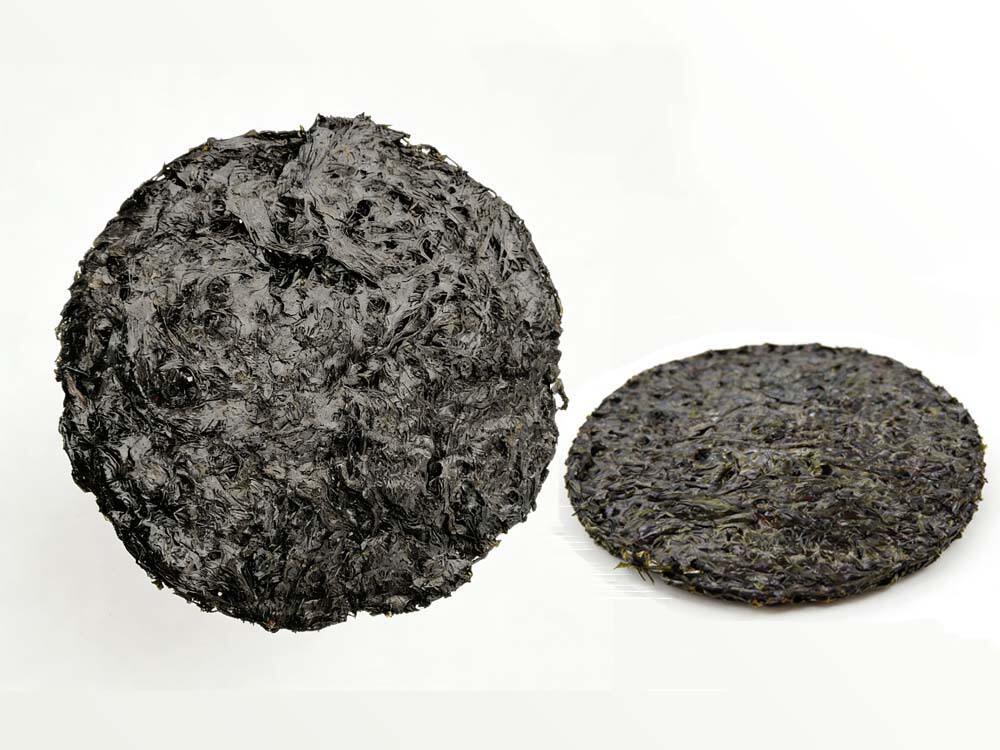
Dried seaweed, a beloved superfood packed with iodine, fiber, and essential vitamins, is a staple in cuisines worldwide—from sushi rolls to miso soups and even baby food. But if you’ve ever noticed inconsistencies in its texture, flavor, or nutritional value, you’re not alone. The secret behind these differences lies in one crucial factor: the harvesting season. Unlike many crops that can be grown multiple times a year, dried seaweed (specifically laver, the most popular variety) has only one annual harvest season, and the timing of each pick directly impacts its quality, taste, and price. Let’s dive into why harvesting season matters and how it shapes the dried seaweed you buy.
The Annual Harvest Window: October to February
Laver, the dried seaweed most commonly used in everyday cooking, follows a strict annual growth cycle. Its harvest season begins in October (Gregorian calendar) and lasts through February of the following year—meaning there’s only one chance each year to harvest fresh, high-quality laver. After the harvest ends, producers store the dried seaweed in cold storage facilities to preserve its quality, ensuring it’s available for sale year-round. This cold storage process, when done properly, maintains the seaweed’s nutritional value and flavor, but it can’t replicate the freshness of newly harvested batches.
This limited harvest window is a key reason why dried seaweed quality varies: each subsequent pick (known as “harvest rounds”) produces seaweed with distinct characteristics. Laver is typically harvested every 15 days, and the first few rounds yield the most prized product, while later rounds result in lower-quality seaweed.
First Harvest (Toushui Laver): The Gold Standard of Dried Seaweed
The first harvest of the season, known as toushuilaver (head water laver) in traditional terms, is the most sought-after and expensive dried seaweed on the market. Why? Because it’s the youngest, tenderest, and most nutrient-dense batch of the year. After months of absorbing nutrients from the cool, nutrient-rich autumn seawater, the first growth of laver is delicate, thin, and vibrant in color—usually a deep, rich green.
laver is packed with essential nutrients like iodine, calcium, iron, and B vitamins, including vitamin B12, which is rare in plant-based foods. Its soft texture and mild, sweet umami flavor make it perfect for sensitive palates—especially as baby food. Parents often prioritize laver for homemade baby purees or small, soft pieces, as it’s easy to digest and loaded with the nutrients growing babies need. Unsurprisingly, laver sells out quickly as soon as it hits the market, thanks to its unbeatable quality.
Second Harvest (Ershui Laver): The Best Value for Everyday Use
About 15 days after the first harvest comes the second round, known as ershui laver (second water laver). While it’s slightly less delicate than toushui laver, it’s still a high-quality option—and the preferred choice for most casual consumers. Ershui laver has a slightly less vibrant color and a marginally coarser texture than the first harvest, but it retains a crisp bite and rich umami flavor.
What makes ershui laver stand out is its balance of quality and affordability. It’s less expensive than toushui laver but still far superior to later harvests, making it ideal for everyday use—think sushi, seaweed snacks, or adding to soups and salads. For home cooks and food enthusiasts who want good quality without the premium price tag, ershui laver is the sweet spot.
Later Harvests (3rd to 8th Rounds): Declining Quality
Laver can be harvested up to 7-8 times per season, but each subsequent harvest brings a noticeable decline in quality. As the seaweed matures and is picked repeatedly, its characteristics change dramatically:
- Color: The vibrant green fades to a dull yellow or brown, as the chlorophyll content decreases with each harvest.
- Texture: The seaweed becomes thicker, coarser, and more韧性 (tough), making it harder to chew. It also loses its delicate crispness.
- Structure: The amount of natural gelatin in the seaweed decreases, causing the sheets to be more brittle and prone to breaking or crumbling. You’ll often find broken pieces or uneven sheets in later-harvest dried seaweed.
- Flavor: The sweet umami taste fades, and the seaweed may develop a slightly bitter or bland flavor compared to earlier harvests.
These later harvests are typically used in lower-cost products, such as bulk seaweed for cooking, or processed into ingredients for sauces and seasonings—where texture and appearance are less important.
How to Choose High-Quality Dried Seaweed by Harvest Season
When shopping for dried seaweed, knowing the harvest season and round can help you get the best product for your needs: Look for labels that mention “first harvest” or “ laver” if you want the highest quality, especially for baby food or premium dishes. Opt for “second harvest” or “ershui laver” for everyday use—great value and good quality for most recipes. Avoid dried seaweed that’s dull yellow, brittle, or has a lot of broken pieces, as these are likely from later harvests. Check the production date: since laver is stored in cold storage year-round, newer batches (closer to the harvest season) will be fresher than older ones.
Trusted Dried Seaweed Supplier: Shantou Jiasheng Food Technology Co.,Ltd.
When it comes to high-quality dried seaweed, Shantou Jiasheng Food Technology Co.,Ltd. is a reliable old brand with more than 30 years of experience in the laver industry. Founded in 1990, we specialize in laver breeding, processing, and market promotion, and have become a well-known enterprise in the industry with our commitment to quality and credibility. Our products are exported to more than 20 countries and regions around the world, gaining wide recognition from global customers.
To ensure the highest quality and safety standards, our dried seaweed products have passed strict international certifications, including FSSC22000, HALAL, and ORGANIC products certification. These certifications are a testament to our rigorous quality control system, from raw material harvesting to production and processing, ensuring that every batch of products meets global food safety requirements. As a participant in the formulation of national laver production standards, we adhere to the concept of "quality first, credibility first" and are dedicated to providing premium dried seaweed products for global partners. We warmly welcome global customers to contact us for cooperation and create win-win opportunities together.